Archaeological sites

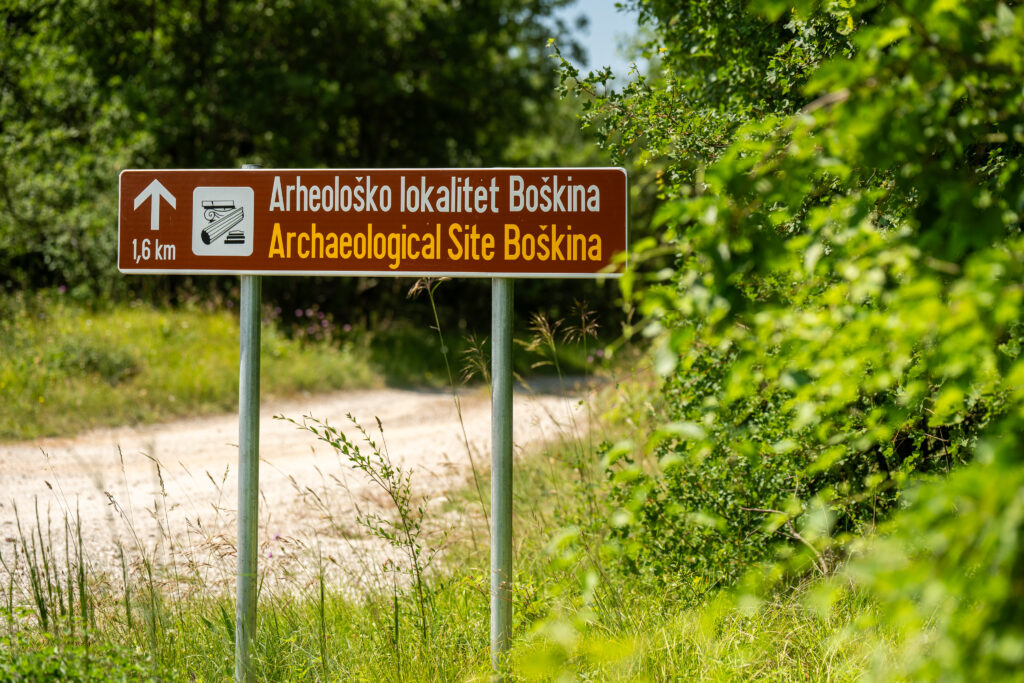
Boškina

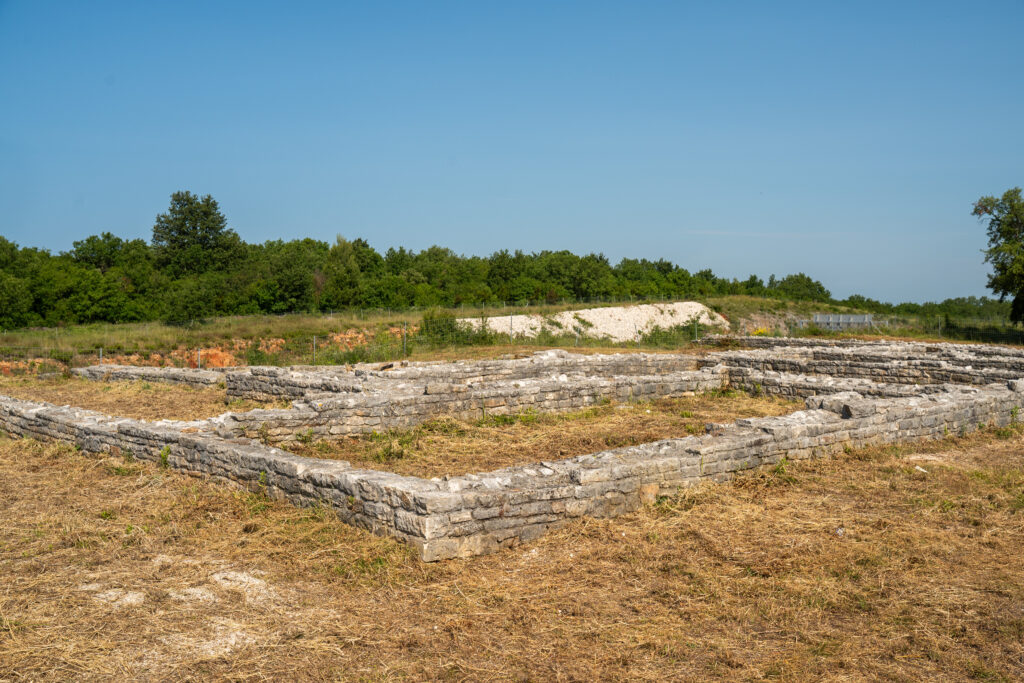
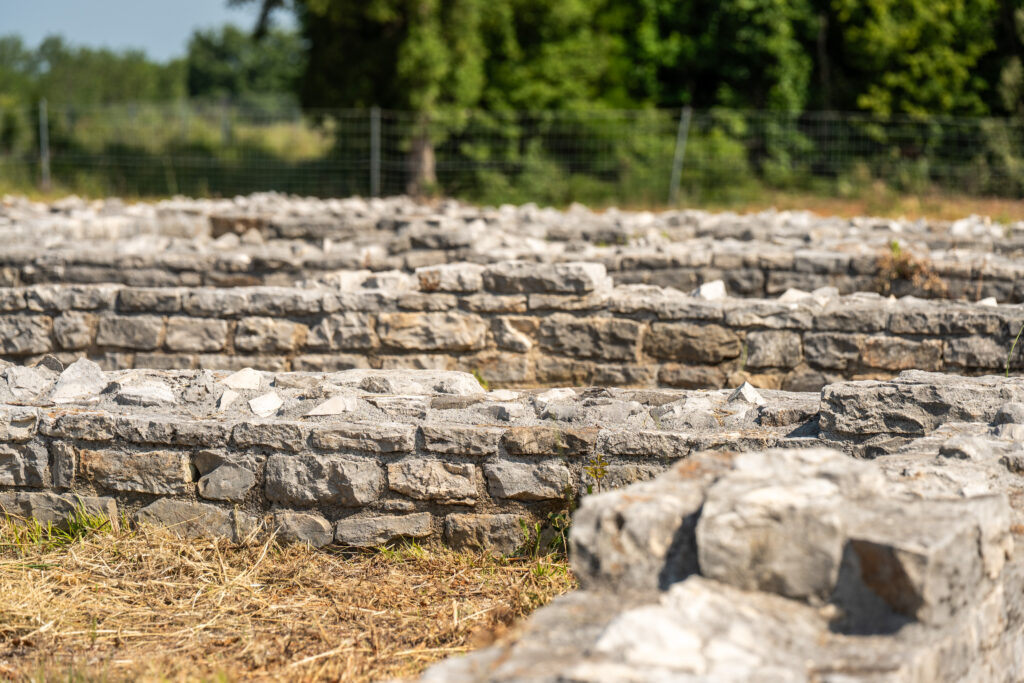
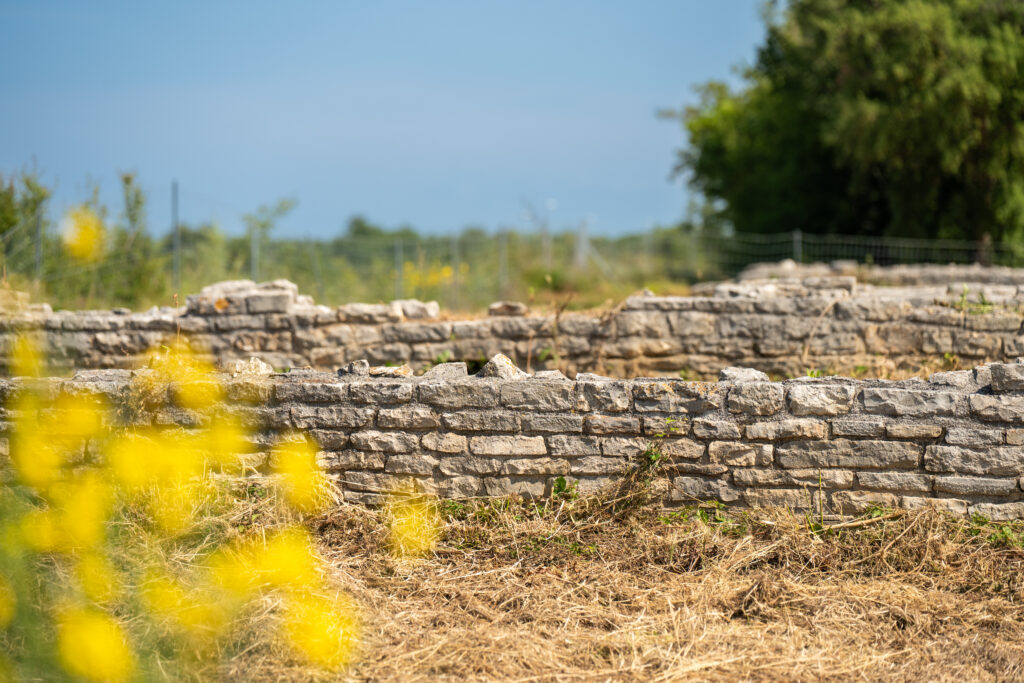
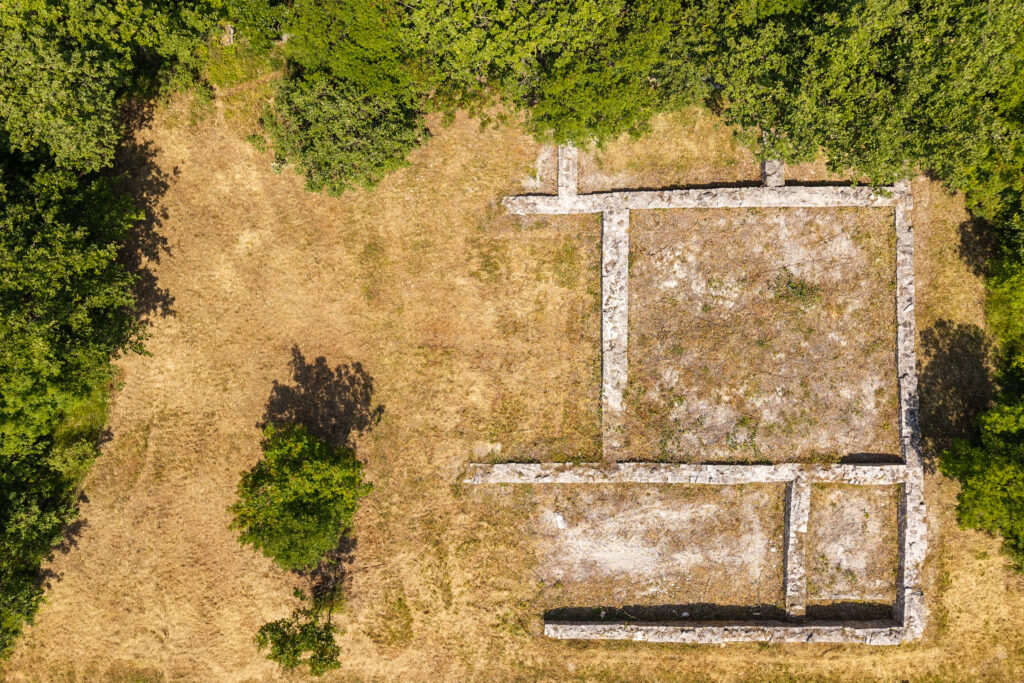
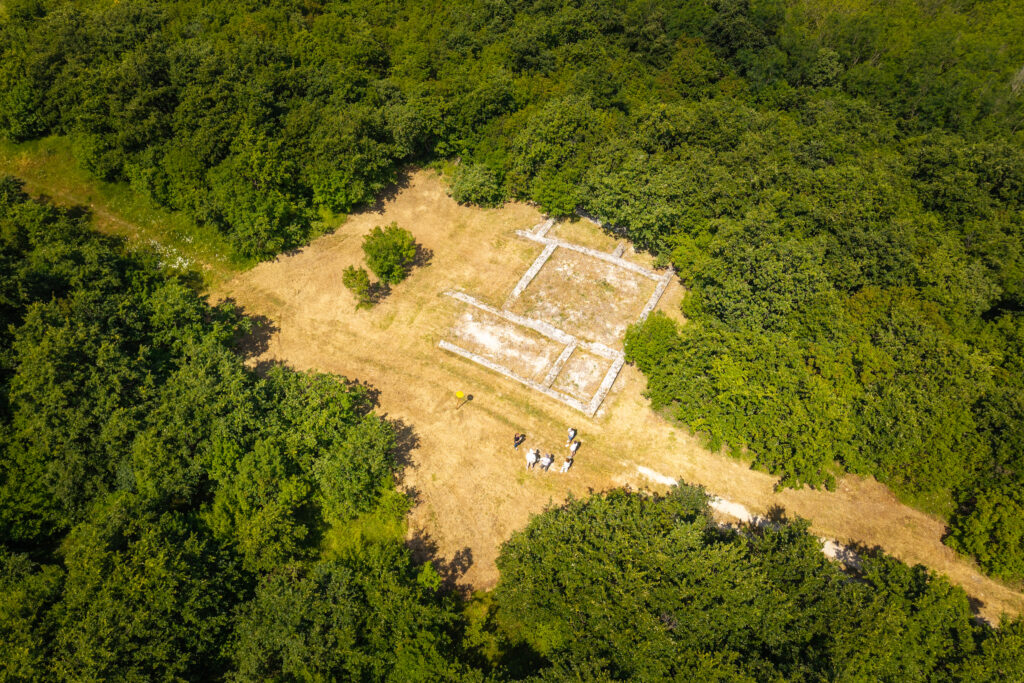
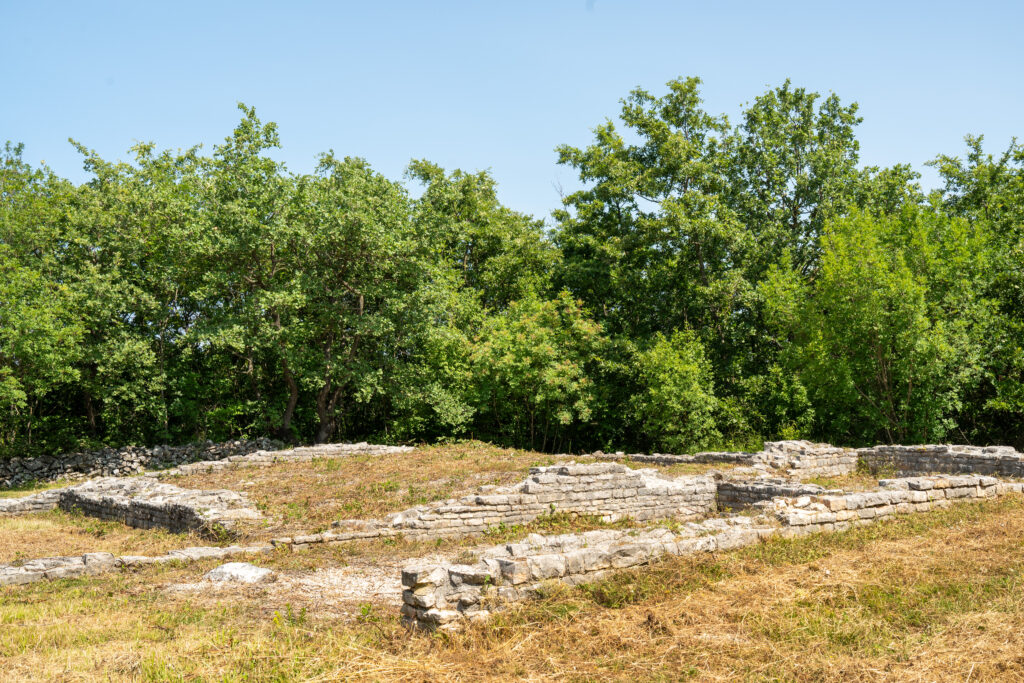
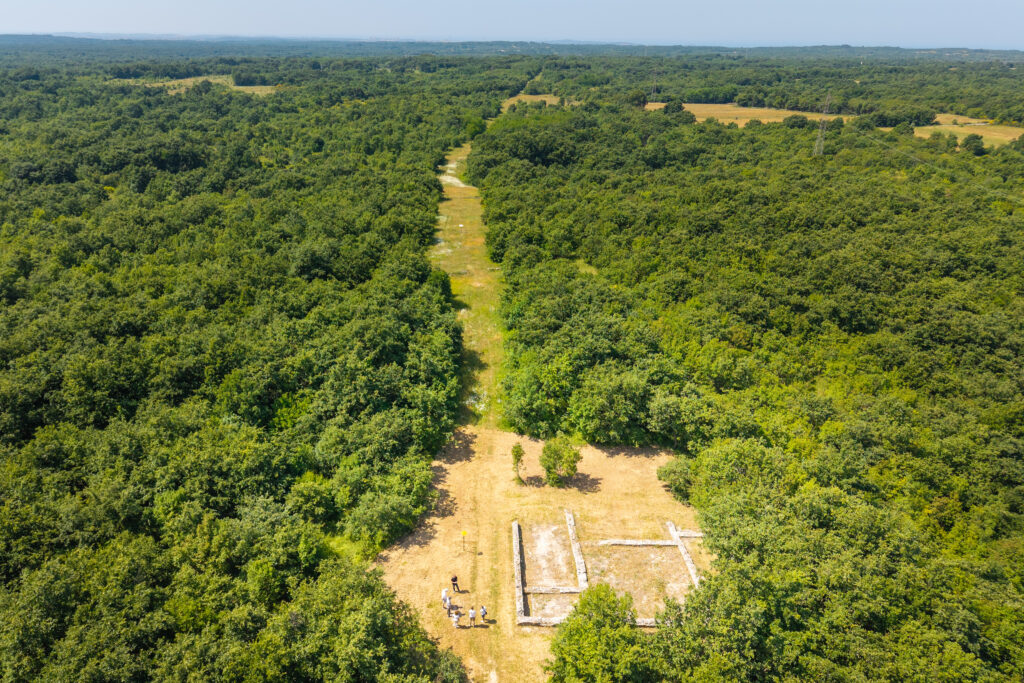
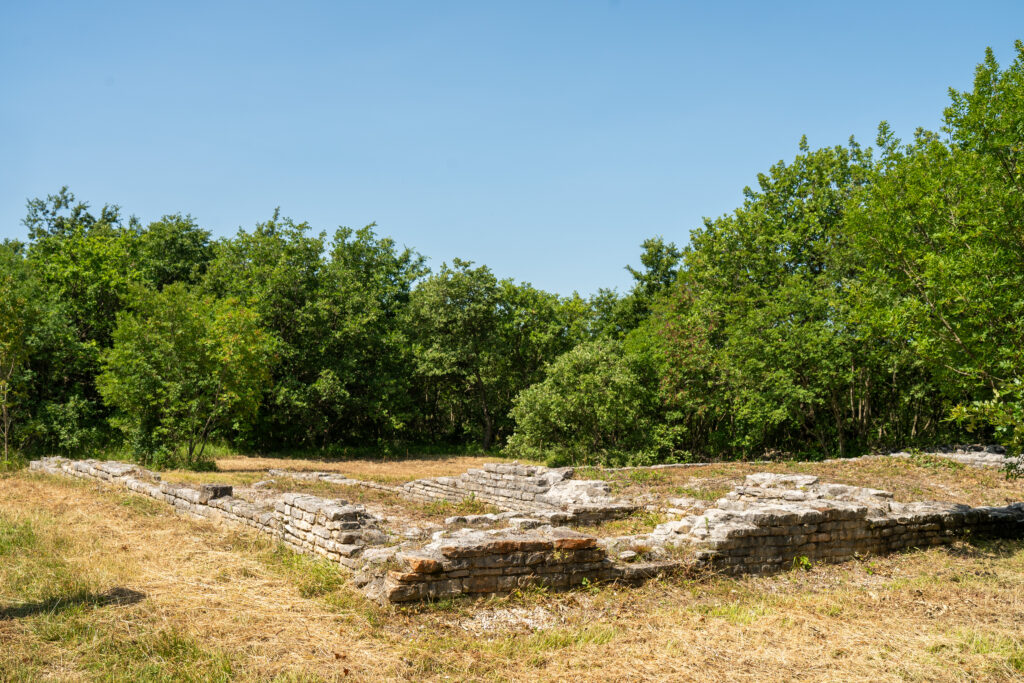
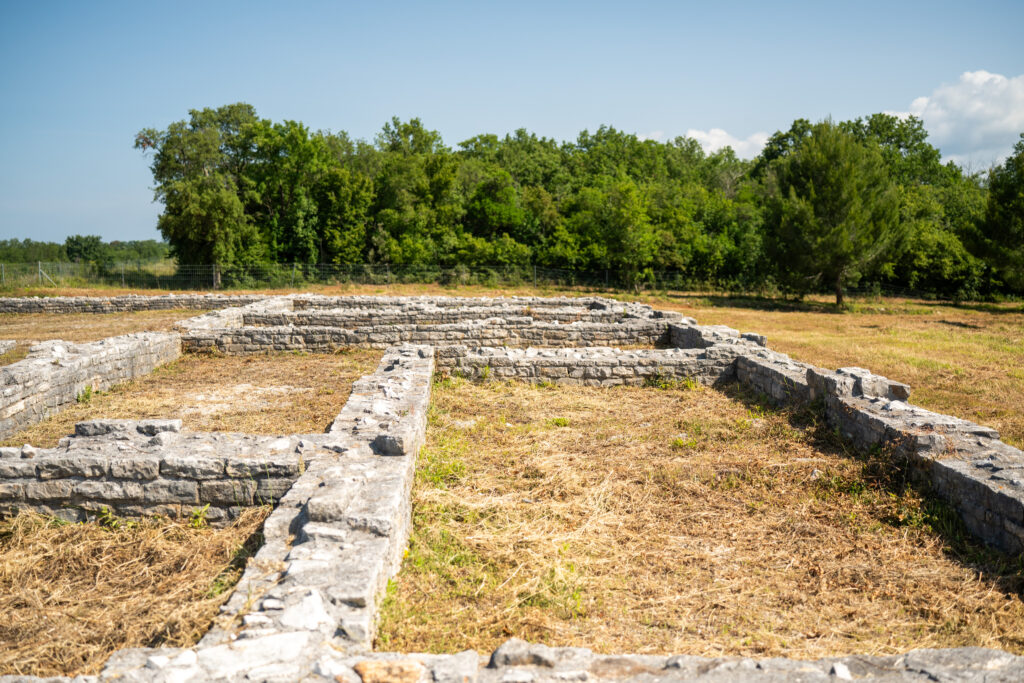
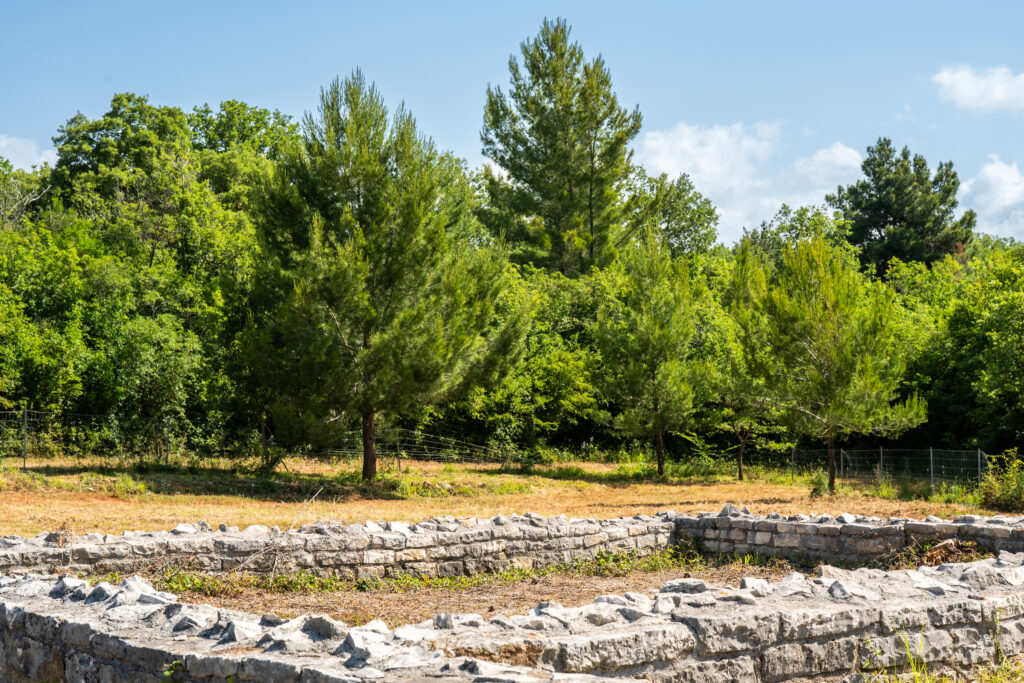
The Boškina archaeological site, located along the route of the Pula–Karlovac main gas pipeline, near the village of Krvavići, was discovered during archaeological excavations in 2005 and 2006. Research has shown that in the 1st and 2nd centuries, the area was occupied by a villa rustica — a rural Roman estate with farm buildings and associated land.

The excavated area, 150 meters long and 6.5 meters wide, intersected three architectural sections:

  • Southwestern part, where the foundations of less well-preserved auxiliary rooms and access roads were found,

  • Central part, best preserved, recognized as a residential–economic complex,

  • Northeastern part, where a section of the estate’s wide enclosing wall was identified.

According to the archaeological findings, the villa was built in the 1st–2nd centuries and, unusually for this type of structure, was inhabited for only about 150 years. Unlike many other Roman complexes, it did not have a long continuous period of use until late antiquity, but was abandoned early—likely due to the economic collapse of its owners. For this reason, the site is exceptionally well-preserved, with a condition that almost entirely reflects the 2nd century, providing archaeologists with valuable insight into the way of life at that time.

The remains of amphorae and evidence suggesting their local production indicate that the estate was engaged in viticulture, olive oil production, and livestock farming. The building, likely covering around 400 m², had two wings and formed a U-shaped layout, with a courtyard in the center and enclosing walls around the entire complex. It is believed that a Roman road led from the villa toward Vodnjan, used for transporting goods.

In the economic section, numerous artifacts were found that testify to production processes:

  • Two pithoi (large clay storage vessels),

  • A mortar,

  • Remains of a press and a stone channel,

  • Ceramic vessels,

  • Coins from the time of Emperor Vespasian,

  • A well-preserved oil press,

  • A bronze sewing needle.

Based on these findings, archaeologists conclude that the room was primarily used for processing olives and producing olive oil, one of the key economic activities in Roman estates in this area.
Peličeti

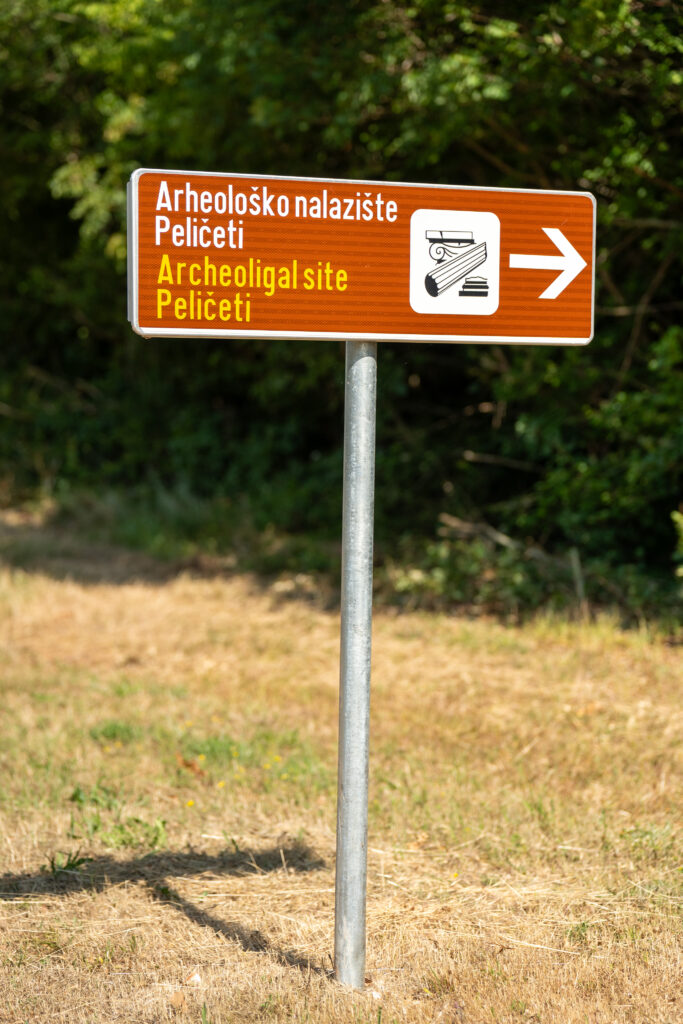
Stancija Peličeti – the lost villa of the Settidii family is located immediately next to the Pula interchange (A9, D66) of the Istrian Y motorway and administratively belongs to the settlement of Loborika, Municipality of Marčana. It is situated near the Valtursko polje, one of the most fertile fields in southern Istria. Stancije (from the Italian word stanza = room) or dvori were economic complexes based on the family cooperative as an economic unit managing the land, and were established under contractual law from the period of the last colonization of Istria in the 17th and 18th centuries. According to this agreement, settlers did not acquire ownership of the land, but only rights of usufruct, grazing, use of wood, and building.

Next to Stancija Peličeti, during the construction of the Istrian Y motorway (A9) in 2005, an ancient villa was discovered, built in the 1st century BC. In the 6th century, it was expanded to form a fortified complex that served as a defensive point for Pula against Slavic and Avar incursions.

Today, the archaeological site of Peličeti contains the remains of a Roman villa rustica, believed to have been owned by the Settidii family. The site is located about 500 meters southeast of Stancija Peličeti. Initially, a small villa rustica was built with one large and two small cisterns, as well as a small bath complex. In the 2nd century, the villa was significantly expanded, and luxurious mosaic floors were installed. At that time, an olive oil press operated within the complex. During the Late Antique period (from the end of the 3rd to the end of the 5th century), some walls were removed, and the villa was partially rebuilt with new walls of lower quality.

The Settidii family was well-known during the Roman period in the northern Adriatic and Danube regions, particularly in Pula and Nezakcij, within the area of the Pula colonial ager. According to a votive altar discovered in Valtursko polje, the Settidii family owned slaves named Euhemerus and Eutichus, who fulfilled a vow to the god Silvanus. Silvanus (Latin: silva = forest) was a Roman deity, protector of forests, pastures, crops, fields, gardens, and all cultivated land.

St. Theodore

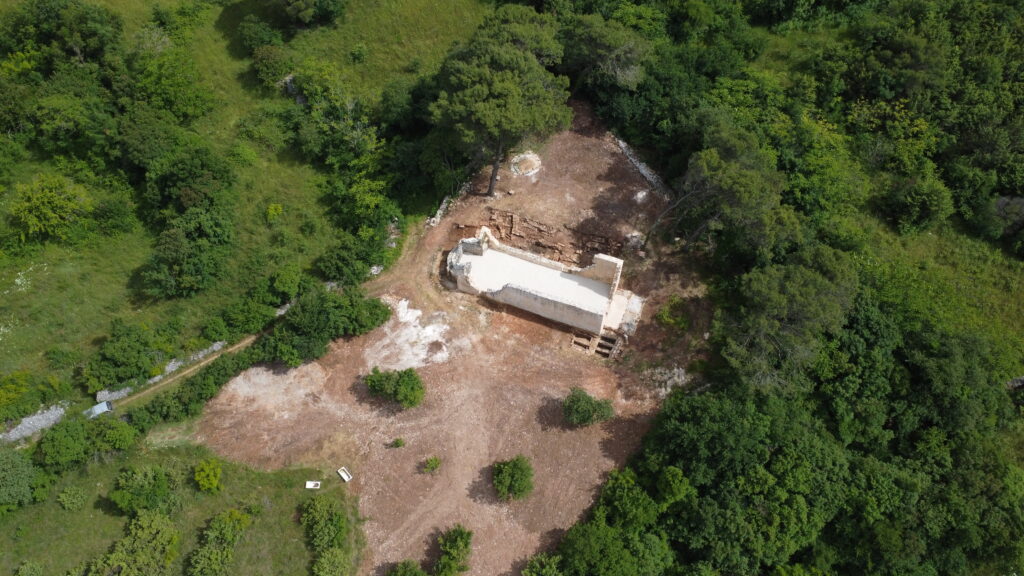
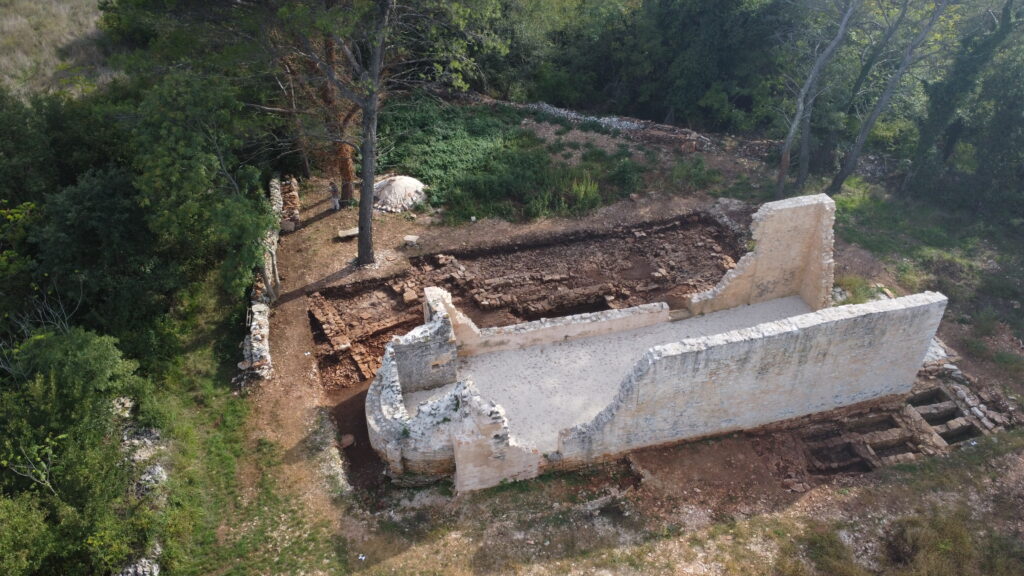
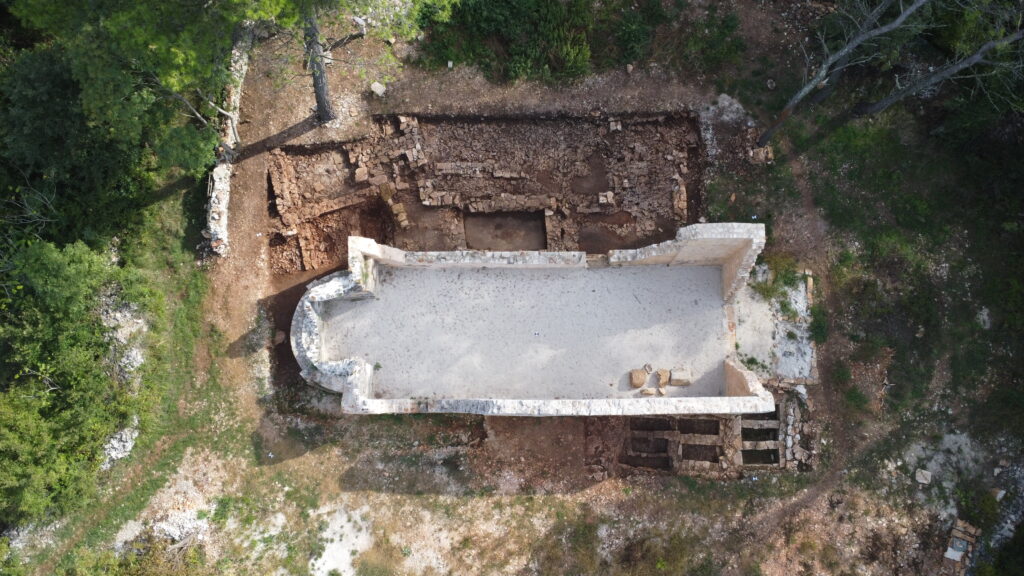
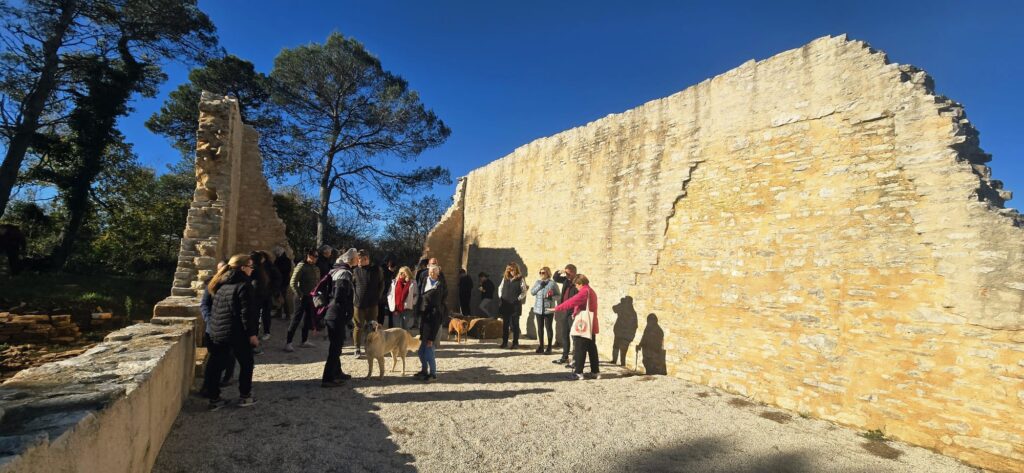
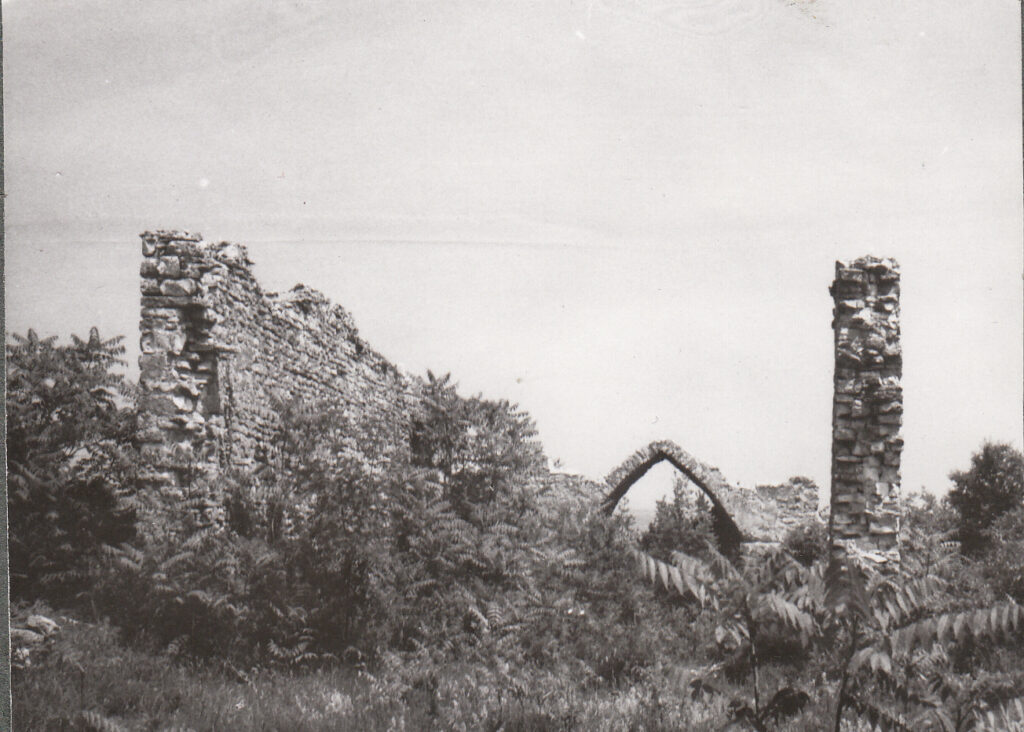
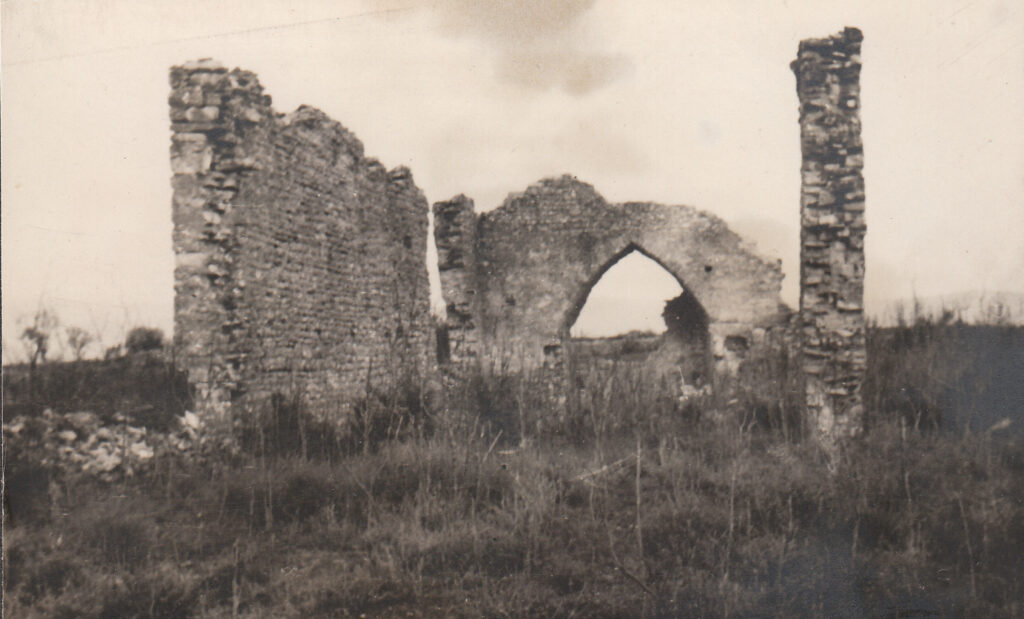
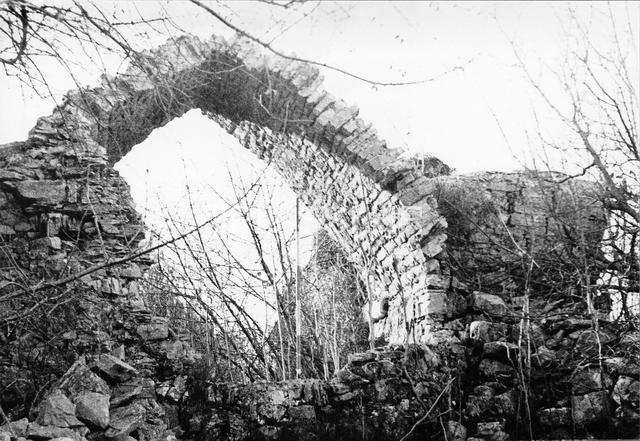
The site with the remains of the Church of St. Theodore, locally known as St. Tudor, is located near a local road connecting Krnica and Rakalj. The church is a properly oriented single-nave building with a square Gothic sanctuary set within a semicircular apse.

Interest in the site of St. Theodore over the past 150 years has been primarily related to the discovery of two votive altars inscribed in Latin, dedicated to the only male Histrian deity, Melosocus. In addition, three more altars dedicated to the same deity have been found in the nearby Golubinčina pit.

Archaeological research has been conducted at the site since 2018, financed by the Ministry of Culture and Media of the Republic of Croatia and carried out by the Croatian Conservation Institute. The initial work included clearing the site, test trenches, and documentation. The foundations of the original church, the semicircular apse, pilasters, the western façade, the southern wall, and stone flooring were uncovered. The first church was shorter and built on late antique foundations; during the Romanesque period, it was extended to 21 meters. In the 15th century, the church was renovated again — a Gothic square sanctuary, triumphal arch, and pointed vault were added, and the side entrances were walled up.

An extensive cemetery was located around the church. By 2025, 70 graves had been investigated, with burials dated from the early 13th to the first quarter of the 16th century. The deceased were laid west–east, most often on their backs, with hands crossed on the chest or abdomen. Anthropological findings show a prevalence of adult males (about 50%), compared to 18% females and 32% children. Interestingly, most of the adults buried at St. Theodore had severe congenital or acquired deformities and chronic illnesses, which required constant care during their lifetime.

Since 2021, conservation and restoration work has also been carried out, and the site has been arranged as a safe stop on the Camino trail of southern Istria.